 listicle
5 Ways to Prepare for Your First Esketamine Session
Table of Contents
- 1. Complete Medical Screening and Talk Through Your Treatment Plan
- 2. Set an Intention and Prepare Mentally for Your Esketamine Session
- 3. Follow Medication, Food, and Hydration Guidance
- 4. Know What to Expect During a Spravato Session
- 5. Arrange Spravato Transportation After Treatment and Plan Your Ride Home
- Your Spravato Appointment Checklist: What to Bring and What to Leave Home
- How Long Does a Spravato Session Take?
- Questions to Ask Your Care Team Before Your First Visit
- Frequently Asked Questions
Last Updated: October 17, 2026
1. Complete Medical Screening and Talk Through Your Treatment Plan
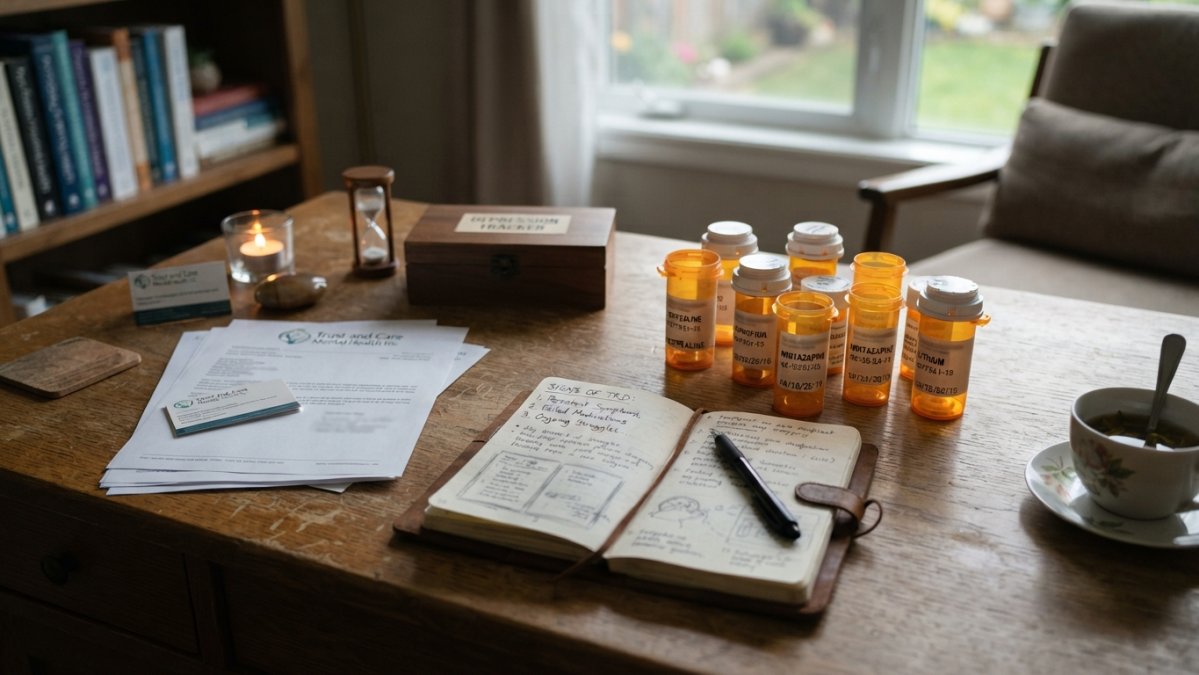
Your first esketamine session starts long before you sit in the clinic chair. It begins with a candid conversation with your prescriber, and that conversation is the single most important preparation step you can take.
Esketamine is an FDA-approved nasal spray used for treatment-resistant depression, and it is only given under direct clinical supervision. At Trust and Care Mental Health Inc, we treat that screening as the foundation of a safe first esketamine session, not a box to tick.
What to Tell Your Prescriber Before Starting
Hold nothing back. The details you share shape your treatment plan and your safety.
- Every medication you take, including blood pressure drugs, antidepressants, and over-the-counter products
- Any history of high blood pressure, aneurysms, or heart conditions, since esketamine can raise blood pressure
- Substance use, including alcohol, cannabis, and recreational drugs
A common mistake is treating the intake form as paperwork. It is clinical information. A prescriber who knows your blood pressure history and medication list can adjust monitoring and timing to protect you.
2. Set an Intention and Prepare Mentally for Your Esketamine Session
Mental preparation matters as much as the medical checklist. A clear intention gives your first esketamine session direction and helps you make sense of what comes up.
An intention is not a goal you must achieve. It is a simple statement of what you hope to notice or work toward, such as "I want to understand my triggers" or "I want to be gentler with myself." Keep it short and honest.
Managing Anxiety and Uncomfortable Moments
Feeling nervous is normal. Many people describe a mix of hope and apprehension before their first session, which is a reasonable response to a new treatment.
- Write down your worries and bring them to your provider
- Practice slow breathing or a short meditation beforehand
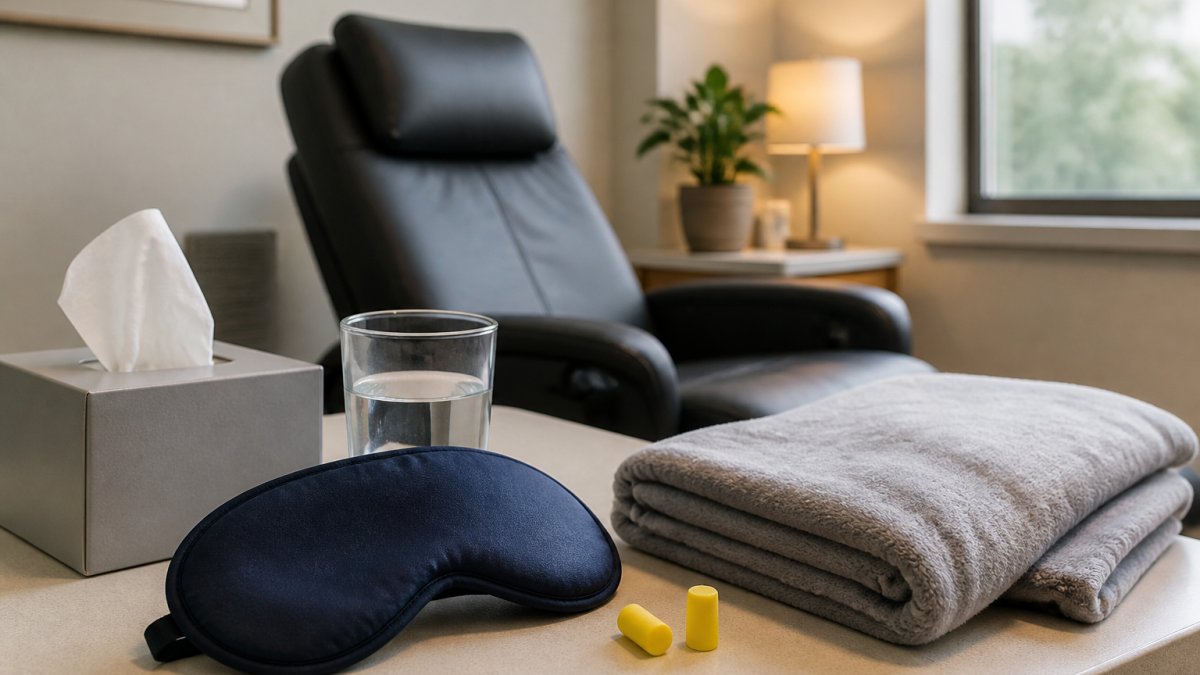
- Bring a comfort item, like a soft blanket or headphones
- Remind yourself that dissociation during treatment is expected and temporary
3. Follow Medication, Food, and Hydration Guidance
Your clinic's instructions override any general advice you read online, including this article. Always confirm food, drink, and medication rules directly with your care team.
Can You Eat or Drink Before Treatment?
Many clinics ask patients to avoid heavy meals and limit fluids for a set period before a Spravato session, largely to reduce nausea and vomiting. Your specific timing depends on your provider's protocol, so ask for it in writing.
- Follow your prescriber's guidance on routine medications, including blood pressure drugs
- Avoid alcohol and recreational substances, and discuss cannabis use openly
- Eat only a light meal if your clinic allows food
- Stay reasonably hydrated unless told otherwise
4. Know What to Expect During a Spravato Session
Knowing the sequence removes a lot of fear. A Spravato session is a supervised clinical appointment, not a procedure you go through alone, and the monitoring is a required part of the treatment rather than an optional add-on.
The Step-by-Step Sequence
A typical first visit follows a predictable order, though your clinic may adjust the details:
- Check-in and vitals. Staff record your blood pressure, heart rate, and weight before anything else. Esketamine can raise blood pressure, so a reading that is too high may delay or cancel that day's dose.
- Pre-dose review. Your clinician confirms how you are feeling, reviews any medication changes, and answers last-minute questions.
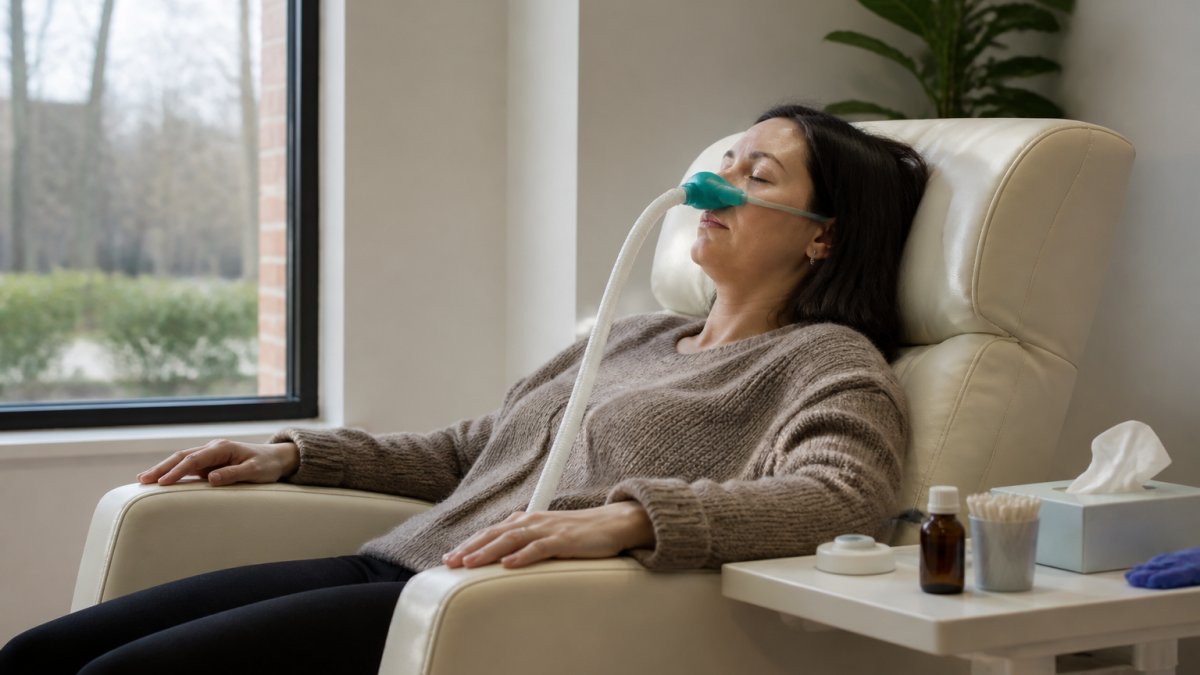
- Self-administration under supervision. You spray the medication into each nostril yourself while a clinician directs you. You do not take it home, and you do not adjust the dose on your own.
- Monitored observation. Staff watch you for at least two hours after dosing. During this window they recheck blood pressure and watch for dissociation, sedation, and other reactions.
- Discharge clearance. You are released only after your clinician confirms your vitals and orientation are acceptable and your ride is present.
What the Dissociation Feels Like
Most people describe the dissociative effect as floating, spaced-out, or detached from their body, and it typically fades as the medication wears off during the observation period. Some people feel dizzy, nauseated, or emotionally raw. These are common and expected, but you should tell staff immediately if you feel distressed, have chest pain, or notice anything that worries you, you are not bothering them by speaking up.
Why the Monitoring Is Not Negotiable
Esketamine is dispensed and administered under a restricted distribution program that requires the treatment to take place in a certified setting with appropriate monitoring. That is why you cannot pick up a prescription and use it at home. The two-hour observation window exists to catch blood-pressure spikes and prolonged dissociation while clinical support is on hand.
Bring a notebook or use your phone's notes app to jot down how you feel at 15, 30, and 60 minutes after dosing. That record is useful for your next visit and for any conversation with your prescriber about dose or timing.
For a fuller clinical picture of the experience, see Johns Hopkins Medicine's overview of esketamine for treatment-resistant depression.
5. Arrange Spravato Transportation After Treatment and Plan Your Ride Home
You cannot drive yourself home after treatment. Esketamine can impair your judgment, coordination, and reaction time, so plan a ride before your appointment, not after. This is the step most first-time patients underestimate, and it is where a little planning prevents a canceled session or an unsafe trip home.
Line Up Your Ride Before Appointment Day
- Choose a licensed driver who can stay reachable. Confirm they know the appointment may run past the two-hour observation window.
- Give them the clinic address and your expected discharge time the day before, not the morning of.
- Have a backup. A rideshare is acceptable at many clinics, but confirm the policy first, some require a responsible adult rather than a paid driver.
- Do not plan to take public transit alone if you are still feeling dissociated or unsteady when you leave.
What Your Support Person Should Know
A good ride home is more than a pickup. Brief your support person on these points:
- You may feel drowsy, foggy, or emotionally tender for several hours after the session.
- They should not expect you to make decisions, drive, or handle childcare or work responsibilities right away.
- They should know how to reach the clinic if you seem unwell after you leave.
- If you live alone, ask your clinic whether a post-session check-in call is available.
Plan the Rest of the Day, Not Just the Drive
Treat the remainder of appointment day as recovery time. Most practitioners advise against driving, operating machinery, or making important decisions until your provider clears you. If you have children, pets, or dependent adults in your care, arrange coverage in advance so you are not responsible for them while the medication is still wearing off. If you have mobility needs, confirm the clinic's accessibility and whether your support person can accompany you inside.
A Simple Day-Of Timeline
| When | What to Do |
|---|---|
| Day before | Confirm ride, backup, and childcare or pet care; pack your bag |
| Morning of | Follow your clinic's food and medication instructions; take routine medications only as directed |
| At the clinic | Check in, complete vitals, and tell staff about any changes since your last visit |
| During observation | Rest, use headphones if allowed, and report any distress to staff |
| Discharge | Leave with your ride; go straight home and keep the rest of the day low-key |
Spravato transportation after treatment is non-negotiable, and so is the recovery time that follows. Sorting your ride, your backup, and your responsibilities at home in advance protects you and keeps your appointment on schedule.
Your Spravato Appointment Checklist: What to Bring and What to Leave Home
A short checklist makes the day smoother. Pack light and leave distractions behind.

What to bring:
- Your insurance card and photo ID
- A list of current medications
- Comfortable clothing and a light layer
- Headphones or a comfort item
What to leave at home:
- Car keys if you are not driving
- Alcohol or recreational substances
- Valuables you do not need
How Long Does a Spravato Session Take?
Plan for a few hours, not a quick visit. The medication itself takes minutes, but the required monitoring period does not. Most clinics keep you under observation for at least two hours after dosing, and your first visit may run longer for screening and paperwork. Ask your clinic for its specific timeline so you can arrange work and childcare around it.
Questions to Ask Your Care Team Before Your First Visit
Bring these to your consultation, and confirm details with the Spravato withMe patient support program if you need help navigating treatment.
- What are my exact food, drink, and medication instructions?
- How will you monitor my blood pressure during and after treatment?
- What should my support person know about the ride home?
- How many sessions are typical, and how will we judge progress?
Frequently Asked Questions
How do I prepare for my first Spravato session?
Start with medical screening and a conversation with your prescriber about your treatment plan, current medications, and any alcohol or recreational substance use. Follow your clinic's food and hydration instructions, set a simple intention, and arrange a ride home in advance. Wear comfortable clothing and bring a photo ID and insurance card. Confirm the specific details with your care team, since instructions vary by clinic and your individual health history.
Can I eat or drink before a Spravato session?
Many clinics ask you to avoid heavy meals and limit liquids for a period before your appointment to reduce nausea and vomiting risk, but the exact timing is set by your prescriber. Do not fast or restrict fluids on your own without confirming with your care team. Ask specifically what time to stop eating and drinking on the day of your first esketamine session, and follow those instructions over any general guidance you read online.
Do I need someone to drive me home after esketamine treatment?
Yes. Spravato can cause dissociation, sedation, and changes in blood pressure, so you should not drive, operate machinery, or travel alone after a session. Arrange a responsible adult to pick you up and stay with you for the rest of the day. Confirm your clinic's specific discharge policy in advance, and have your ride's contact information ready before you arrive.
How long does a Spravato session take?
The nasal spray administration itself is quick, but the full visit is longer. Clinics typically require monitoring for at least two hours after dosing to watch for dissociation and blood pressure changes, and some visits run longer with intake and observation. Plan for a half-day commitment, especially for your first esketamine session, and ask your provider for the expected total time so you can arrange work and transportation accordingly.
What should I bring to an esketamine appointment?
Bring a photo ID, insurance card, a list of your current medications and doses, and any symptom journal or mood notes you keep. Wear comfortable clothing and bring a light layer in case the room is cool. Leave valuables, alcohol, and recreational substances at home. Many clinics allow headphones or a small comfort item during monitoring, but confirm what is permitted with your care team before your first visit.
Preparing for your first esketamine session can feel overwhelming when you are already managing depression. At Trust and Care Mental Health Inc, we guide you through every step in a monitored clinical setting, with personalized treatment plans and FDA-approved Spravato esketamine nasal spray administered by a team that puts your safety first. Make your appointment today and start treatment with a partner who prepares you for the whole process, not just the dose.