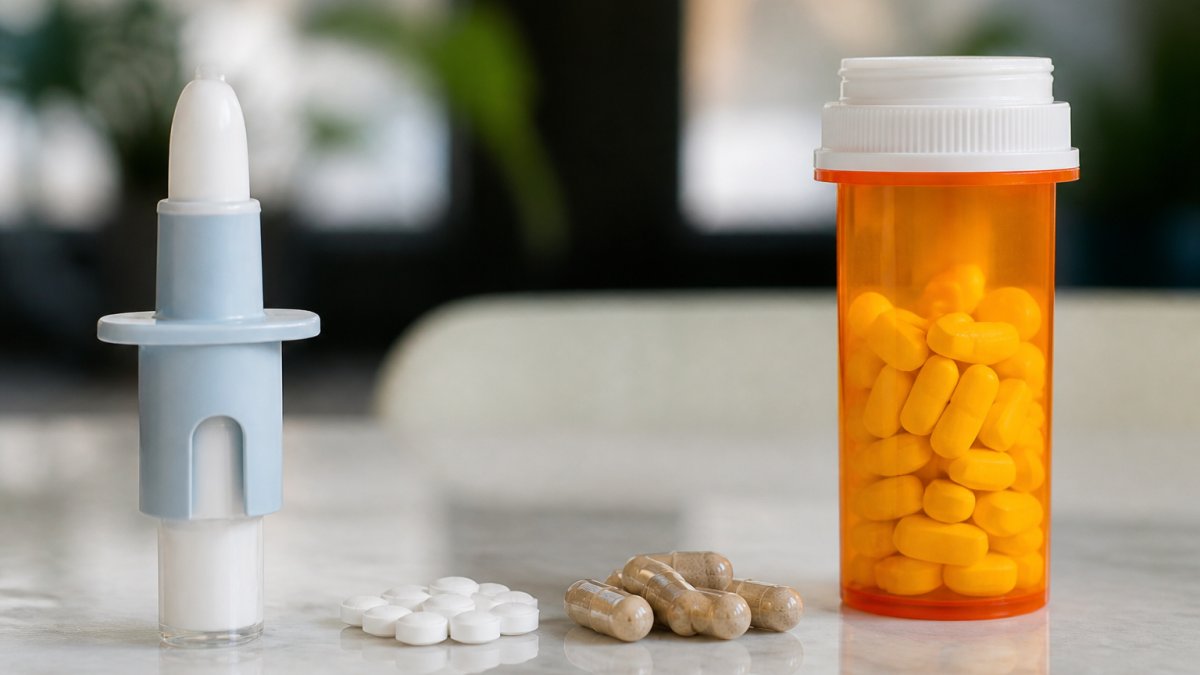
 comparison
Is Esketamine Nasal Spray Worth It for Chronic Depression
Table of Contents
- What Esketamine Nasal Spray Is and How It Works
- Who May Benefit: Treatment-Resistant Depression and Eligibility
- How Long Does Spravato Take to Work
- Spravato Side Effects and Safety Monitoring
- Spravato Treatment Schedule and What to Expect
- Spravato Cost and Insurance Coverage
- Is Esketamine Nasal Spray Worth It: The Verdict
- Frequently Asked Questions
Last Updated: October 11, 2026
What Esketamine Nasal Spray Is and How It Works
Esketamine nasal spray, marketed as Spravato, is an FDA-approved treatment for treatment-resistant depression. At Trust and Care Mental Health Inc, we help patients understand that this medication works differently from traditional antidepressants. Instead of taking a pill at home, esketamine is administered as a nasal spray in a supervised clinical setting where patients are monitored for safety and side effects.
The medication is the S-enantiomer of ketamine, meaning it's a purified form of one of ketamine's two molecular structures. This targeted approach may produce faster symptom relief than conventional antidepressants, which typically take weeks to show effect. Patients who have failed two or more standard antidepressant treatments may be candidates for esketamine nasal spray.
Treatment sessions occur in a medical office under healthcare provider supervision. After administration, patients remain in the clinic for observation, typically for 2 hours. The supervised setting allows clinicians to monitor vital signs, watch for dissociative effects, and ensure patient safety throughout the process.
Who May Benefit: Treatment-Resistant Depression and Eligibility
Treatment-resistant depression refers to major depressive disorder that hasn't responded adequately to at least two different antidepressant medications at therapeutic doses. This condition affects many individuals who have exhausted conventional options and continue experiencing significant depressive symptoms.
Eligibility for esketamine nasal spray requires meeting specific criteria. Patients must have documented failure of prior antidepressant trials and a current diagnosis of major depressive disorder or bipolar depression. Healthcare providers assess medical history, current medications, and any contraindications before recommending treatment. Individuals with uncontrolled high blood pressure, certain heart conditions, or substance use disorders may not be appropriate candidates.
The treatment may also benefit patients experiencing suicidal thoughts, as some evidence suggests rapid symptom improvement. However, individual assessment by a qualified mental health professional is essential. Trust and Care Mental Health Inc evaluates each patient's unique situation to determine whether esketamine nasal spray aligns with their treatment goals and medical profile.
How Long Does Spravato Take to Work
One significant advantage of esketamine nasal spray is the potential for faster symptom relief compared to traditional antidepressants. Many patients report noticing mood improvements within days rather than the weeks typically required for conventional medications. This rapid onset can be meaningful for individuals experiencing severe depression or suicidal thoughts.
The treatment schedule influences response timing. Initial intensive treatment involves twice-weekly sessions for the first month, then weekly sessions.
However, individual response varies significantly. Some patients experience noticeable change after the first or second session, while others require several weeks of consistent treatment before depressive symptoms substantially improve. Ongoing sessions help maintain treatment response. The full benefit of esketamine nasal spray typically becomes apparent over the first 4 weeks of treatment, though some improvement may emerge earlier.
Spravato Side Effects and Safety Monitoring
Esketamine nasal spray can produce side effects requiring close clinical attention. Dissociation, a feeling of detachment from one's body or surroundings, is common during and shortly after treatment sessions. Most patients find this effect manageable and temporary, resolving within 1-2 hours as the medication wears off.
Blood pressure elevation frequently occurs during treatment. Patients with baseline hypertension require careful monitoring. Dizziness, drowsiness, and difficulty concentrating are reported side effects. Some individuals experience nausea or headache. These effects typically resolve within hours of treatment completion.
The supervised clinical setting exists specifically to manage these potential effects. Healthcare providers monitor vital signs throughout treatment and for the observation period afterward. Patients cannot drive themselves home after a session due to dissociative effects and impaired cognition, so arranging reliable transportation is essential. Trust and Care Mental Health Inc ensures comprehensive safety protocols during every treatment session, with trained clinical staff present to respond to any complications.
Spravato Treatment Schedule and What to Expect
The esketamine nasal spray treatment schedule involves a structured induction phase followed by maintenance. During the induction phase, patients typically attend twice-weekly sessions for 4 weeks, then weekly sessions for an additional 4 weeks. This intensive schedule allows clinicians to assess response and adjust treatment as needed.

A typical treatment day involves arriving at the clinic, baseline vital sign measurement, and nasal spray administration. The medication is self-administered under clinical supervision, the patient sprays the dose into their nose while the provider observes. The patient then remains in the clinic for approximately 2 hours of observation. During this time, dissociative effects peak and gradually diminish. Cognitive function returns gradually, and patients typically feel alert enough to leave once the observation period concludes.
Maintenance treatment frequency varies based on individual response. Some patients continue weekly sessions, while others transition to every-other-week or monthly appointments. The maintenance schedule aims to sustain symptom improvement while minimizing treatment burden. Your healthcare provider at Trust and Care Mental Health Inc will work with you to determine the optimal maintenance frequency based on your response and preferences.
Spravato Cost and Insurance Coverage
Cost considerations significantly influence treatment decisions for many patients. Esketamine nasal spray represents a substantial financial commitment due to the requirement for supervised administration and the frequency of treatment sessions.
Medication and Administration Costs
The esketamine nasal spray itself (Spravato) is a branded pharmaceutical with no generic equivalent currently available. The cost of the medication per session varies, but the primary expense is the supervised administration fee. Each treatment session typically includes the nasal spray dose, vital sign monitoring, the 2-hour observation period, and clinical staff oversight.
Insurance Coverage and Prior Authorization
Most major insurance plans, including Medicare, cover esketamine nasal spray when medical necessity criteria are met, specifically, documented treatment-resistant depression with failure of at least two antidepressants at therapeutic doses. However, coverage decisions vary significantly by plan and individual circumstances. Prior authorization from your insurance company is typically required before beginning treatment, and this process can take 1-3 weeks.
Out-of-Pocket Costs
Out-of-pocket costs depend on your specific plan's deductible, copay structure, and whether you've met your annual deductible.
Financial Assistance and Access Options
Patients without insurance or facing high out-of-pocket costs should explore several options. The manufacturer of Spravato (Janssen Pharmaceuticals) offers a patient assistance program that may reduce or eliminate medication costs for eligible individuals based on income and household size.
Comparison to Alternatives
Is Esketamine Nasal Spray Worth It: The Verdict
Determining whether esketamine nasal spray worth the investment requires honest assessment of your specific situation against the evidence, alternatives, and practical trade-offs. The answer differs depending on where you fall on several key dimensions.
Who Is Most Likely to Benefit
Esketamine is most likely to be worth it if you meet all of these criteria:
- You have documented treatment-resistant depression (failure of at least two antidepressants at adequate doses and duration).
- You are experiencing moderate to severe depressive symptoms that significantly impair work, relationships, or daily functioning.
- You have access to a clinic offering supervised esketamine treatment within reasonable travel distance.
- You can commit to twice-weekly sessions for 4 weeks, then weekly or biweekly sessions for maintenance.
- You have insurance coverage or financial resources to manage out-of-pocket costs, or you qualify for manufacturer assistance.
- You do not have uncontrolled high blood pressure, certain cardiac conditions, or active substance use disorder.
- You are willing to arrange reliable transportation to and from each session (you cannot drive yourself).
For patients meeting these criteria, the evidence supports esketamine as a legitimate next step. Improvement often emerges within days to weeks, faster than any oral antidepressant.
Who Should Carefully Weigh Alternatives
Esketamine may be less clearly "worth it" if:
- You have mild to moderate depression that has not yet been treated with multiple antidepressants. Standard oral antidepressants are cheaper, require no clinic visits, and have decades of safety data. Try 2-3 different classes (SSRIs, SNRIs, tricyclics, atypicals) before considering esketamine.
- You have not yet tried psychotherapy. Cognitive-behavioral therapy (CBT) and other evidence-based psychotherapies are effective for depression, often covered by insurance, and address underlying thought patterns. Combining therapy with oral antidepressants is often more durable than medication alone.
- You have limited access to a clinic or cannot manage the time commitment. Twice-weekly sessions for 4 weeks is a significant burden for working individuals, parents, or those with limited transportation. Oral antidepressants require only monthly provider visits.
- You have uncontrolled hypertension or cardiac risk factors. Esketamine raises blood pressure during sessions, which may be unsafe. Discuss with your cardiologist before proceeding.
- You have a history of substance use disorder or psychosis. Esketamine's dissociative effects and mechanism carry additional risks in these populations. A psychiatrist must carefully evaluate whether benefits outweigh risks.
- You are concerned about cost and lack insurance. Out-of-pocket expenses of $4,000-$12,000+ for induction treatment may be prohibitive. Explore oral antidepressants, psychotherapy, or TMS as lower-cost alternatives first.
Comparison to Other Active Treatments
If you are considering esketamine, also evaluate these alternatives:
Oral Antidepressants (SSRIs, SNRIs, etc.): Cheaper, no clinic visits, but slower onset (2-4 weeks) and lower remission rates in treatment-resistant cases. If you have not yet tried 2-3 different classes, start here.
Psychotherapy (CBT, IPT, etc.): Effective, addresses root causes, durable long-term, but slower onset (weeks to months). Best combined with medication. Cost varies ($100-$300/session); many insurers cover 50-80%.
Transcranial Magnetic Stimulation (TMS): Non-invasive, no systemic side effects, 50-60% response rate in treatment-resistant depression. Requires 20-30 sessions over 4-6 weeks. Cost comparable to esketamine ($6,000-$15,000).
Electroconvulsive Therapy (ECT): Highest remission rate (60-80%) for severe or treatment-resistant depression, but requires anesthesia, has memory side effects, and carries more stigma. Usually reserved for severe cases or when other treatments fail.
Ketamine Infusions: Similar mechanism to esketamine but administered intravenously in a clinic. May be faster-acting but less regulated, more expensive, and fewer insurers cover it. Esketamine (nasal spray) is FDA-approved and more standardized.
The Bottom Line
Esketamine nasal spray is worth it if you have true treatment-resistant depression, have exhausted standard options, can manage the logistics and cost, and are seeking rapid symptom relief.
If you have not yet tried multiple antidepressants, psychotherapy, or other interventions, start there.
Frequently Asked Questions
Does Spravato really work for depression?
Clinical evidence shows that esketamine nasal spray can produce symptom improvement and remission for treatment-resistant depression. Response rates vary by individual, and effectiveness depends on proper dosing, supervised administration, and concurrent therapy. A qualified mental health professional can assess whether esketamine is appropriate for your specific situation.
How does esketamine nasal spray compare with ketamine for depression?
Esketamine (Spravato) is the active S-enantiomer of ketamine, administered as a nasal spray in a clinical setting. Intravenous ketamine requires different administration and clinical protocols. Research indicates similar depression response rates between the two, though esketamine has been evaluated specifically in clinical trials for treatment-resistant depression. The choice between them depends on availability, clinical setting, patient preference, and your healthcare provider's recommendation.
What are the common side effects of Spravato?
Common side effects include dissociation, dizziness, nausea, and temporary changes in blood pressure. Dissociation, a feeling of detachment or altered perception, typically occurs during treatment and resolves within hours. More serious but rare side effects may include suicidal thoughts or severe blood pressure elevation. All treatments are administered in a monitored clinical setting where vital signs are tracked and side effects are managed. Report any concerning symptoms to your healthcare provider immediately.
Who may be a candidate for esketamine nasal spray?
Candidates typically have treatment-resistant depression, meaning they have not responded adequately to at least two antidepressant medications at therapeutic doses. You may also be considered if you have acute suicidal ideation or severe depressive symptoms requiring rapid intervention. Certain medical conditions, uncontrolled high blood pressure, or substance use disorders may affect eligibility. A thorough evaluation by a mental health professional is necessary to determine if esketamine is appropriate for your circumstances.
Is esketamine nasal spray covered by insurance?
Insurance coverage varies by plan and provider. Many major insurers cover Spravato for treatment-resistant depression when prescribed by a qualified provider, though prior authorization may be required. Coverage often depends on documentation of failed antidepressant trials and clinical necessity. Out-of-pocket costs vary widely. Contact your insurance company directly to understand your coverage, or speak with Trust and Care Mental Health Inc about navigating insurance options and financial assistance programs that may be available.