 comparison
Spravato vs Traditional Antidepressants: 2026 Guide
Table of Contents
- Spravato vs Traditional Antidepressants: Key Differences
- How Spravato Works: NMDA Receptor and Glutamate
- Speed of Relief: Spravato vs SSRIs and SNRIs
- How to Qualify for Spravato Therapy: FDA Criteria and Screening
- Duration of Spravato Treatment: Induction, Maintenance, and Tapering
- Treatment-Resistant Depression Options 2026: Spravato, TMS, and Beyond
- Side Effects and Monitoring: What to Expect During Sessions
- Conclusion: Choosing the Right Path for You
- Frequently Asked Questions
Last Updated: October 4, 2026
Spravato vs Traditional Antidepressants: Key Differences
Spravato vs traditional antidepressants 2026 is a comparison many people with treatment-resistant depression end up researching after two or more medications have failed. Spravato (esketamine) is an FDA-approved nasal spray given under clinical supervision, while traditional antidepressants like SSRIs and SNRIs are daily oral pills taken at home. At Trust and Care Mental Health Inc, we help patients in Fairfield and Bridgeport understand both paths before choosing one.
Here is the core difference: Spravato targets the glutamate system and can ease symptoms within days, while traditional antidepressants work on serotonin and norepinephrine and often need four to eight weeks to take full effect. That speed gap matters when someone has already waited months for relief that never came.
This guide covers how each option works, who qualifies, what treatment demands in time, and what monitoring looks like.
How Spravato Works: NMDA Receptor and Glutamate
Spravato works by blocking the NMDA receptor, which briefly shifts glutamate signaling in the brain. Glutamate is the central nervous system's main excitatory neurotransmitter, and this shift appears to trigger rapid changes in synaptic plasticity, the brain's ability to rewire connections.
Traditional antidepressants take a different route. SSRIs raise serotonin levels, and SNRIs raise both serotonin and norepinephrine. These are slower, indirect pathways that depend on downstream changes over weeks.
The neurobiology is genuinely different, which is why Spravato can help people who never responded to serotonin-based drugs. That said, researchers still do not fully understand why glutamate modulation produces faster results, and the pharmacology continues to be studied.
Speed of Relief: Spravato vs SSRIs and SNRIs
Speed is where Spravato separates itself most clearly. Some patients notice improvement within 24 hours of the first dose, and the therapeutic window for meaningful change is often measured in days rather than weeks. Traditional antidepressants typically need four to eight weeks before full clinical efficacy shows, and many patients cycle through several trials before finding one that works.
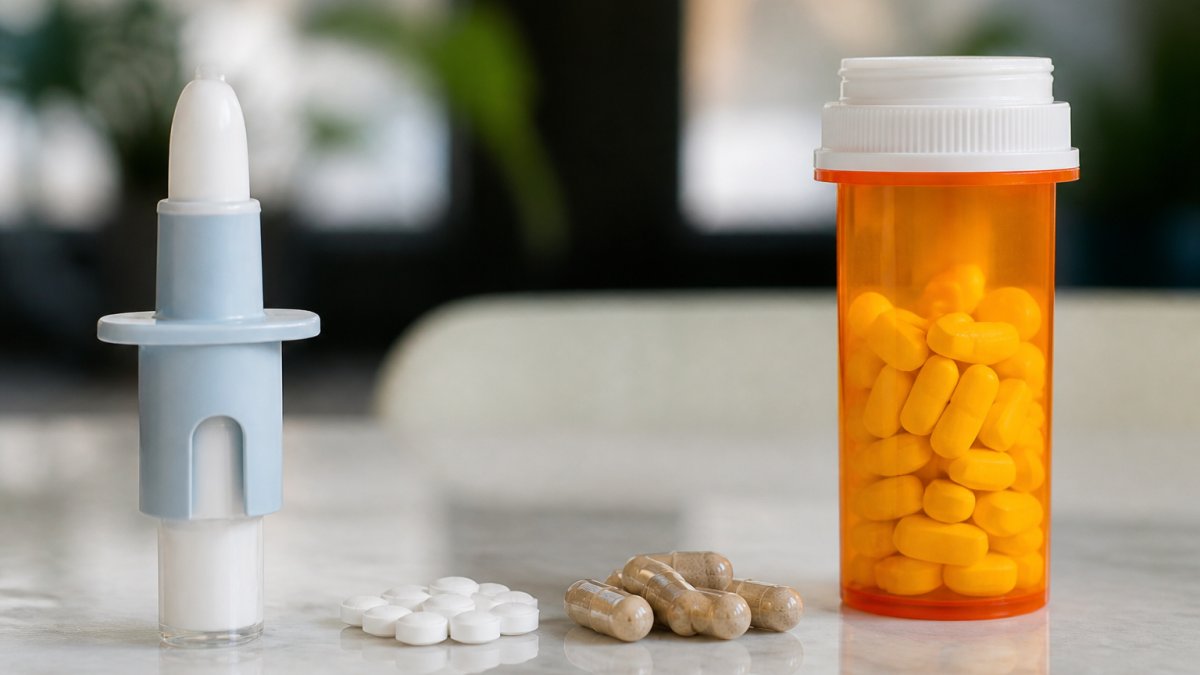
| Factor | Spravato (esketamine) | SSRIs / SNRIs |
|---|---|---|
| Onset | Hours to days | 4-8 weeks |
| Administration | In-clinic nasal spray | Daily oral pill |
| Monitoring | Required, 2+ hours | None required |
| Mechanism | NMDA / glutamate | Serotonin / norepinephrine |
| Best for | Treatment-resistant depression | First-line major depressive disorder |
Faster relief does not mean better long-term outcomes for everyone. Some patients respond well to a standard SSRI and never need Spravato at all.
How to Qualify for Spravato Therapy: FDA Criteria and Screening
Qualifying for Spravato therapy starts with a clear definition: treatment-resistant depression means a patient has not responded adequately to at least two different antidepressant trials of adequate dose and duration. That is the FDA criterion for esketamine nasal spray.
Screening at a clinic like ours includes a full psychiatric evaluation, a medication history, and a check for contraindications. Blood pressure is reviewed because esketamine can raise it temporarily, and any history of aneurysmal vascular disease, arteriovenous malformation, or intracerebral hemorrhage rules Spravato out. The FDA prescribing information for Spravato lists the full contraindication and monitoring requirements.
Patients also need to be honest about other drugs. Combining esketamine with MAOIs or certain stimulants is unsafe, and your prescriber needs the complete picture to make an accurate call.
Duration of Spravato Treatment: Induction, Maintenance, and Tapering

Duration of Spravato treatment is not a fixed course with a defined end date, and that surprises many patients. It happens in phases, and the phase you are in determines how often you come in.
Induction (weeks 1-4). Twice weekly sessions. This is the phase where the fastest response tends to show up, and where your prescriber is watching for both symptom change and tolerability.
Maintenance (weeks 5-8). Once weekly. If you are holding steady, the schedule steps down. If symptoms are creeping back, your prescriber may keep you at the higher frequency a little longer.
Ongoing maintenance (week 9 and beyond). This is where the schedule becomes individualized. A common pattern is every one to two weeks, and some patients space sessions out further once they have been stable for a stretch. There is no universal stop date. Some people continue maintenance for months, and a subset stay on it longer because relapse risk is real when treatment ends too quickly.
The oral antidepressant you were already taking usually continues throughout every phase. Spravato is an add-on, not a replacement, and stopping the oral medication at the same time you taper the nasal spray is a recipe for a relapse.
Tapering is the part most guides skip. Once symptoms are in remission, your psychiatrist may gradually lengthen the interval between sessions rather than stopping abruptly. A typical approach is to stretch from weekly to every two weeks, then to every three or four weeks, watching for early warning signs like sleep changes, irritability, or loss of interest. If those appear, the interval tightens again. This is not a failure; it is how maintenance therapy is supposed to work.
A few practical questions worth asking your clinic before you start:
- How many sessions does my insurance currently authorize, and what happens when that runs out?
- Who handles prior authorization renewals, and how far in advance do they start?
- What is the plan if I need to pause treatment for travel, illness, or a scheduling conflict?
- How will we decide together that it is time to taper?
Treatment-Resistant Depression Options 2026: Spravato, TMS, and Beyond
Treatment-resistant depression options 2026 fall into three main categories: esketamine nasal spray, transcranial magnetic stimulation (TMS), and continued optimization of oral antidepressants. Each has a different risk and time profile.
TMS is non-drug and FDA-cleared for treatment-resistant depression. It uses magnetic fields to stimulate nerve cells and typically requires daily sessions over four to six weeks, with no sedation. It suits patients who cannot tolerate medication side effects.
Spravato is the fastest-acting option but demands in-clinic monitoring and carries dissociation and blood pressure risks. Oral antidepressants remain the simplest and lowest-cost path, and many patients stay on one even while adding Spravato. The National Institute of Mental Health overview of depression treatments is a solid starting point for comparing categories.
Side Effects and Monitoring: What to Expect During Sessions
Dissociation is the side effect patients ask about most, and it is also the one most poorly explained online. It feels like detachment from your body, your thoughts, or your surroundings. It usually begins within 10 to 20 minutes of the nasal spray, peaks around the 40-minute mark, and fades well before the two-hour observation window ends. Most patients describe it as strange but not frightening once they know it is expected. A smaller number find it uncomfortable, which is one reason dose adjustments exist.
Other common effects during a session include sedation, dizziness, nausea, a metallic taste, and a temporary rise in blood pressure. Blood pressure is the one that drives the monitoring protocol. A provider checks it before dosing and again at roughly 40 minutes after, and sometimes a third time before discharge. Esketamine can push systolic pressure up by a meaningful margin for a short period, which is why anyone with a history of aneurysmal vascular disease, arteriovenous malformation, or intracerebral hemorrhage is not a candidate. The FDA prescribing information for Spravato spells out the full contraindication list and the required observation period.
Here is what a session actually looks like, because this is the part most articles skip:
- Arrival and pre-check. You arrive without having eaten heavily, your blood pressure and baseline mood are recorded, and you confirm you have a ride home.
- Dosing. The nasal spray is self-administered under supervision, one device per nostril, typically split across a few minutes.
- Observation. You stay in a reclining chair in a calm, monitored room for at least two hours. Staff check on you, and you can read, listen to music, or rest.
- Discharge. Blood pressure is rechecked, you confirm you feel steady, and your designated driver takes you home. You cannot drive, operate machinery, or make major decisions for the rest of the day.
Traditional antidepressants carry a completely different side effect profile: weight gain, insomnia, sexual dysfunction, emotional blunting, and discontinuation symptoms if doses are missed. They do not require in-office monitoring, which is a genuine advantage for people with tight schedules or limited transportation. The trade-off is that relief is slower and, for some patients, never arrives.
Patient monitoring is not bureaucracy. It is the reason esketamine can be offered safely at all, and it is the single biggest practical difference between a nasal spray session and taking a pill at your kitchen table.
Conclusion: Choosing the Right Path for You
The right choice depends on your history, your schedule, and how many treatments have already failed. If two antidepressants have not worked, Spravato or TMS deserve a serious conversation. If you are early in treatment, a traditional antidepressant is usually the sensible first step.
Trust and Care Mental Health Inc provides Spravato esketamine nasal spray administration in a monitored clinical setting, along with psychiatric evaluation, personalized medication management, and treatment-only options for referring providers. We also serve children, adults, and older adults across Fairfield and Bridgeport.
Make your appointment today and get a clear, evidence-based plan for your depression.
Frequently Asked Questions
What is the difference between Spravato and traditional antidepressants?
Spravato (esketamine) is an FDA-approved nasal spray that targets the NMDA receptor and glutamate system, while traditional antidepressants like SSRIs and SNRIs primarily affect serotonin and norepinephrine. This difference means Spravato can produce symptom relief within hours to days, whereas traditional antidepressants often take 4-8 weeks. Spravato also requires administration in a certified medical setting with at least two hours of monitoring, while traditional antidepressants are taken orally at home.
How long do people typically stay on Spravato?
The duration of Spravato treatment varies by patient. The induction phase typically involves twice-weekly sessions for four weeks, followed by a maintenance phase of weekly or biweekly sessions. Some patients continue for several months or longer, depending on their response and their healthcare provider's recommendation. Tapering is done gradually under medical supervision. Your psychiatrist will assess your progress regularly to determine the appropriate length of treatment.
What disqualifies you from Spravato?
Spravato is not appropriate for everyone. Contraindications include a history of aneurysmal vascular disease, arteriovenous malformation, intracerebral hemorrhage, or hypersensitivity to esketamine. It is also not recommended for patients with untreated hypertension or certain heart conditions. Additionally, Spravato is only FDA-approved for adults with treatment-resistant depression who have failed at least two traditional antidepressant trials. A thorough psychiatric evaluation is required to determine eligibility.
Does insurance cover Spravato treatment?
Many insurance plans, including Medicare and Medicaid, cover Spravato for treatment-resistant depression when FDA criteria are met. Coverage typically requires prior authorization and documentation of two failed antidepressant trials. Financial assistance programs may also be available from the manufacturer. Because coverage varies by plan, check with your insurance provider and the clinic's billing office to understand your specific benefits and out-of-pocket costs.